Struggling with PMS or painful period cramps?
You’re not alone. Up to 80% of women experience menstrual pain [1] — and for many, symptoms like mood swings, bloating, and those inevitable cramps start up to two weeks before their period.
If you regularly dread that time of the month, we’re here to help you.
How Common Are PMS and Menstrual Cramps?
Emotional and physical symptoms before your period, followed by cramps and inflammation during—for some, it adds up to two solid weeks each month where all you want is to take time off work and curl up in bed with a hot water bottle.
Both PMS (premenstrual syndrome) and painful periods can significantly affect daily life, and it's more common than you might think.
8 out of 10 menstruating women experience some form of pain around their period [1], with 30-50% also dealing with PMS. [2,3]
Common PMS and period symptoms that women experience: [4]
- Headaches and joint pain
- Abdominal pain and cramping
- Breast tenderness
- Bloating
- Cramps
- Irritability or anxiety
With so many physical and emotional shifts happening, it’s no surprise our moods fluctuate, too.
So, why do we experience these symptoms, and what can we do to manage them better?
What Causes PMS Symptoms Before Your Period?
PMS symptoms show up during the luteal phase of the menstrual cycle, which is the time between ovulation and the start of your period. PMS typically begins a few days to two weeks before menstruation and eases up once your period begins. It is the hormone fluctuations during this phase that largely contribute to the symptoms of PMS.
While the exact cause of PMS is not fully understood, symptoms can worsen due to stress, lifestyle factors, and may be influenced by genetics, such as a personal or family history of depression. [5]
These worsening symptoms may manifest as acne flare-ups, changes in bowel movements, headaches, joint pain, reduced libido, and more.
This issue is particularly pronounced among women in their 30s, who are the most likely to experience PMS. [6]
What Causes Period Cramps During Your Cycle?
If you’ve ever asked, why do I get cramps during my period, the answer lies in prostaglandins…
To shed the lining of the uterus (aka your period), the uterus contracts. These contractions are driven by chemicals called prostaglandins. While they help remove the lining, they can also trigger inflammation and pain (aka period cramps).
This pain typically lasts 1–3 days during menstruation, though for some it may last longer and vary in intensity. If you experience severe lower abdominal or back pain, along with nausea, headaches, or intense fatigue, you’re not alone.
FYI, according to the NHS and CDC, your period pain is considered normal if:
- It occurs during the first 2 days of your period
- It doesn’t interfere with your daily life
- It eases with self-care measures
However, it sure is restrictive - so, what can you do to support your body through it?
Incorporating the small habits shared below consistently throughout the month may help reduce pain and inflammation before and during your period.
How to Relieve PMS and Period Pain Naturally
Dealing with the double-whammy of premenstrual symptoms followed by period pain can make most of the month feel like an uphill battle. It’s no wonder women seek out anything to ease the discomfort and stress. So, what do we recommend?
- Sleep
- Stress management
- Exercise
- Diet & Hydration
- Targeted pain & inflammation management
These five health pillars are broadly beneficial, but we've tailored our tips specifically to help ease premenstrual and menstrual symptoms.
1. Sleep
Poor sleep can intensify PMS and menstrual symptoms through several biological pathways involving hormone disruption, inflammation, fatigue, and mood changes. [7]
- Aim for 7+ hours of sleep each night to reduce PMS-related mood swings.
- Try magnesium supplements to help the muscles relax and reduce cramps. (Check with your doctor for the right dose—this varies with gender, body weight, nutrient deficiencies, etc.)
-
Support relaxation: follow a 3-step wind-down routine before bed, and do the same three steps every night! As one of those, use LUMEBOX red light therapy for 12 minutes in NIR mode behind the back of the neck!
2. Stress & hormones
When the body is under stress, cortisol levels rise. This can increase inflammation and alter the balance of hormones involved in the menstrual cycle, sometimes making symptoms like cramps, fatigue, irritability, and headaches feel more intense.
Fortunately, there are ways to calm the nervous system.
- Breathwork & Yoga
Evidence from randomized controlled trials, systematic reviews, and clinical yoga interventions suggests that practices like yoga, deep breathing, and meditation may support stress management and help reduce menstrual pain.
- Limit electronics before bed
Try to avoid screens for at least one hour before bed. Blue light from phones and computers may raise cortisol (our stress hormone) more than dim or red light [8] at a time when the body should be winding down.
- Spend time in nature
Taking your shoes off and walking barefoot on grass - sometimes called “grounding” - has been linked to reductions in pain and inflammation. Some studies suggest this contact with the Earth may influence the autonomic nervous system, helping reduce stress and improve mood. [9]
- Reduce exposure to environmental toxins
While we can’t control every exposure, small changes can reduce the overall burden on the body:
- Reduce plastic use
- Choose natural skin and body products
- Swap non-stick cookware for safer alternatives
- Use a water filter
3. Exercise & menstrual health
Cycle-syncing workouts have been the talk of the town on social media, but more recent research suggests a more practical approach: listen to your body and adjust accordingly. [10, 11] Everyone responds differently to exercise, and some women may even feel more energetic during their period.
Plus, studies suggest regular aerobic physical activity (30 minutes, 3-5 times per week) can help reduce PMS and menstrual symptoms. [12, 13, 14]
Moving your body increases blood flow and oxygen circulation, which can help improve mood and may even ease cramps.
But when you're already in pain, the idea of a full workout seems overwhelming.
Instead of committing to a 30+ minute session, try breaking movement into 5–10 minute bursts:
- A 10-minute brisk walk or gentle stretch in the morning
- A short jog or bike ride after lunch
- Some light strength exercises in the evening
4. Diet for PMS and Cramps
Here's how we suggest supporting your body during the premenstrual and menstrual phases:
Luteal Phase (7-14 days before your period)
What happens: Progesterone rises
Goal:
- Reduce bloating, cravings, and mood swings
- Support energy and stress levels
What to eat:
- Magnesium-rich foods: Dark chocolate, almonds, spinach, bananas
- B-complex vitamins: Eggs, leafy greens, and whole grains
- Calcium-rich foods: Hard cheese, plain yogurt, poppy seeds, sesame seeds, lentils, leafy greens, salmon
- NOTE: Make sure to include a dose of vitamin D through oily fish, mushrooms, or fortified milk and yogurt!
- Reduce caffeine, salt, and refined sugar intake
Menstrual Phase (days 1-5 of your period)
What happens: The body sheds the uterine lining
Goal:
- Replenish iron lost during menstruation
- Ease cramps and inflammation
- Support energy levels
- Reduce bloating and flush out waste products
What to eat:
- Iron-rich foods: Spinach, kale, lentils, red meat, pumpkin seeds
- Anti-inflammatory foods: Berries, turmeric, ginger, fatty fish
- Stay Hydrated: Drink half your body weight (in lbs) in oz of water each day
5. Heat and Red Light Therapy for Temporary Pain Relief
Heat Therapy:
Using a heating pad on the lower abdomen to relieve cramps mainly works by relaxing the muscles in the abdomen.
A meta-analysis [15] highlighted that heat therapy may significantly reduce pain in patients with primary dysmenorrhea when compared to no treatment, pain medication, or placebo.
Red Light Therapy:
Red light therapy uses specific wavelengths of red and near-infrared light to penetrate the skin and reach the cells. These wavelengths are absorbed by the mitochondria—the cell’s energy centers—supporting more efficient energy production. More energy means better tissue repair, inflammatory support, and improved circulation.
Does Red Light Therapy Help with Period Cramps?
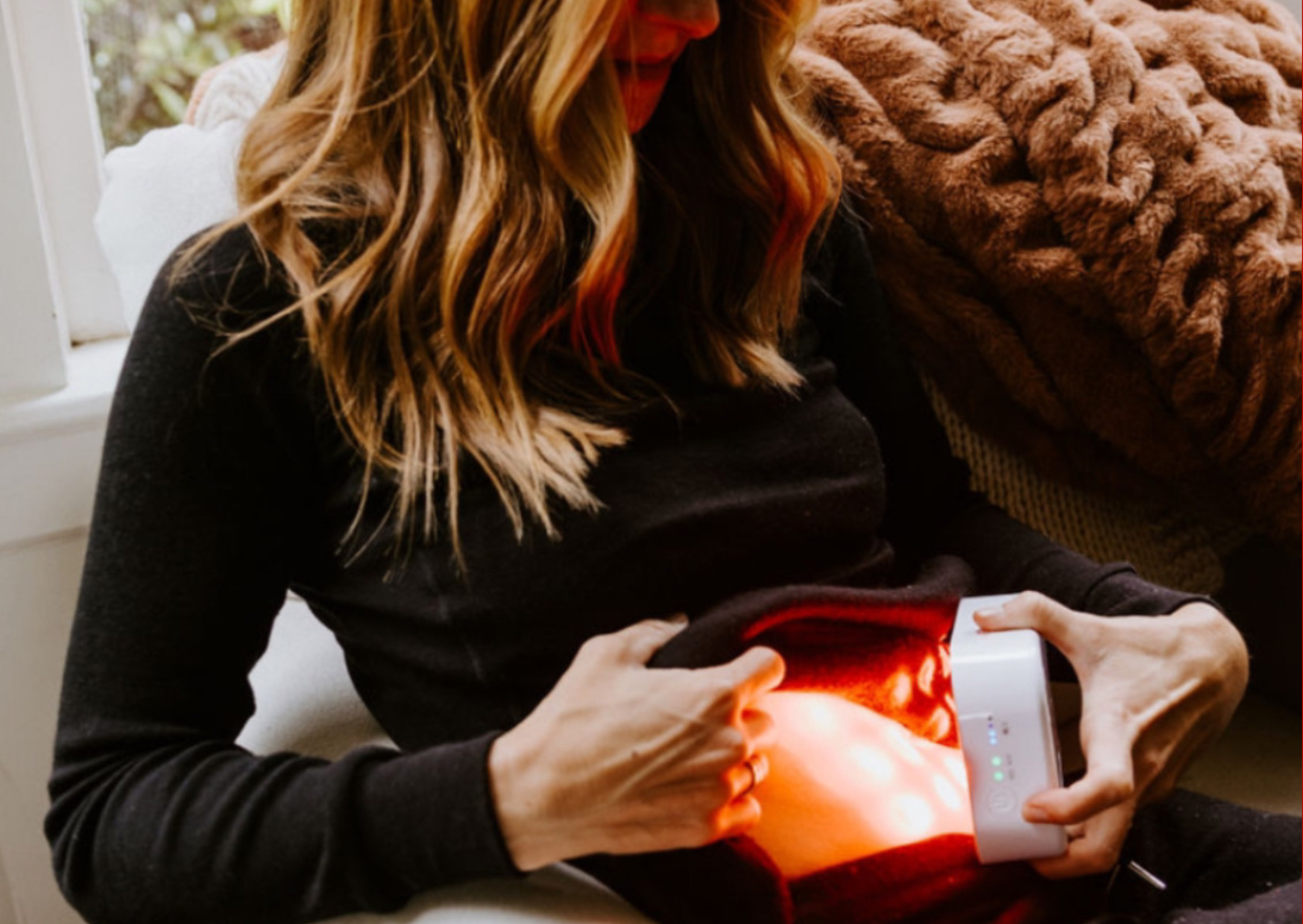
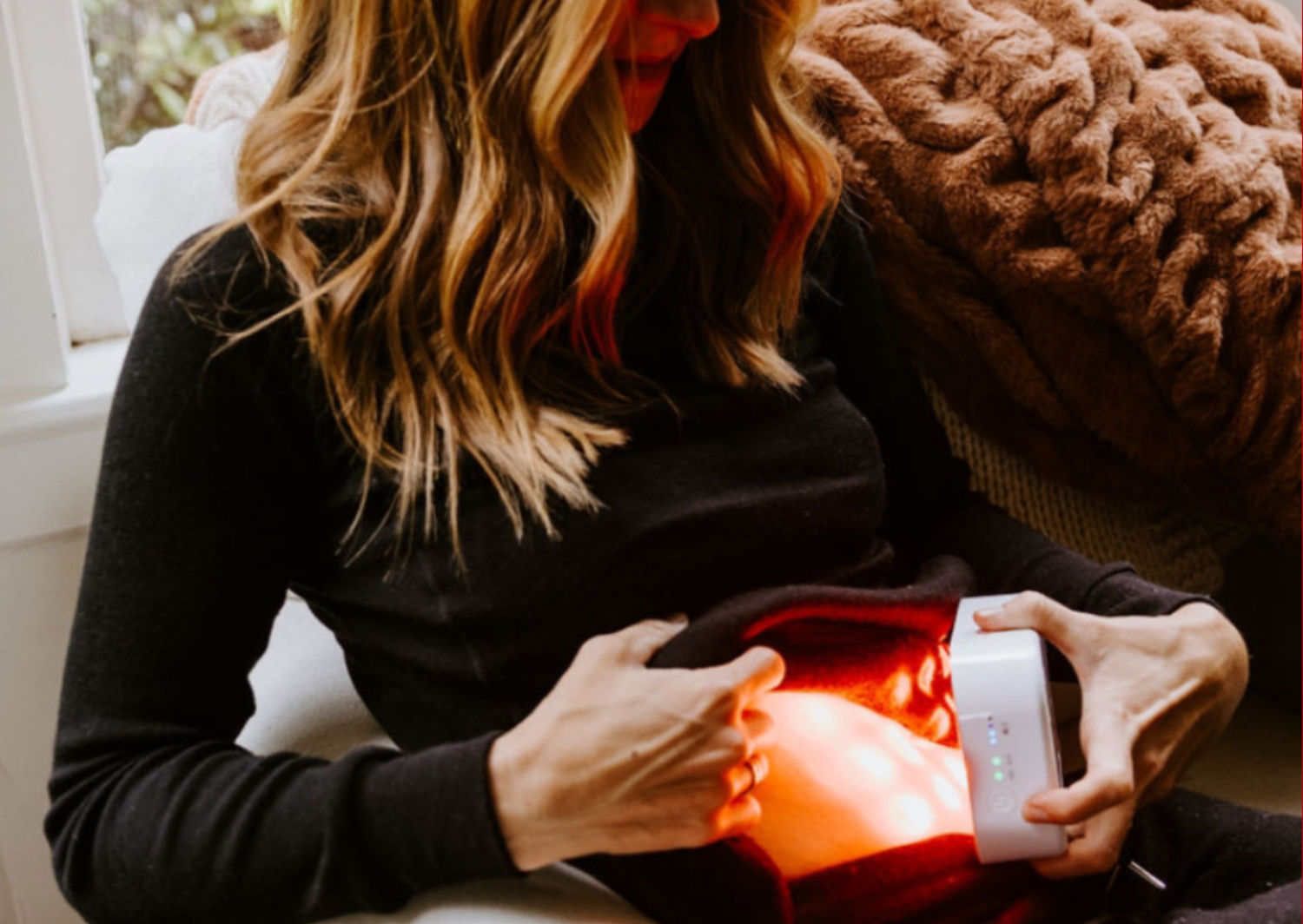
Red light therapy may help temporarily relieve minor abdominal pain by improving circulation and supporting the body through stress and inflammatory responses.
Studies have explored the use of red light therapy in temporary pain relief, for instance, this randomized controlled trial [16] on women with period pain:
41 women from Korea who used a heated near-infrared belt during menstruation (worn all day from the first day of menstruation until the last) experienced:
- Significantly lower pain levels: Pain dropped from 7.68 to 2.55 on the VAS pain scale, compared to only 7.57 to 6.38 in the control group.
- Reduced pain duration.
- Decreased reliance on pain medications when compared to the control group, who relied solely on heat therapy. Some women using red light therapy opted not to use any medications at all.
Note: the study used a special research LED device, not LUMEBOX. Individual results may vary.
Final Notes
PMS and menstrual cramps are common and can seriously impact daily life, but understanding their causes and implementing simple strategies to ease symptoms can help manage them better.
Red light therapy may help temporarily relieve minor pain, for example, in the abdominal region. While everyone’s experience is different, consistent self-care can help you feel more in control and improve your overall well-being during your cycle. We love habit stacking!
Quick Fire FAQs About PMS and Period Cramps
1. What causes PMS?
PMS is caused by hormonal fluctuations during the luteal phase of your menstrual cycle. Changes in estrogen and progesterone can trigger mood swings, bloating, breast tenderness, and fatigue. Stress, sleep, and diet can make symptoms worse.
2. Why do I get cramps during my period?
Period cramps are caused by prostaglandins, chemicals that make the uterus contract to shed its lining. These contractions can cause lower abdominal pain, inflammation, and sometimes back pain or nausea.
3. How can I ease period cramps naturally?
Gentle exercise, heat therapy, red light therapy, proper hydration, and anti-inflammatory foods may help temporarily relieve pain. Prioritizing sleep and stress management also eases symptoms.
4. When should I see a doctor about my period pain?
See a healthcare provider if cramps are severe, last more than a few days, or come with heavy bleeding, fainting, or extreme fatigue. Normal cramps usually ease with self-care and occur in the first 1–2 days of your period.
5. Are PMS and menstrual cramps common?
Yes. About 8 in 10 women experience some period discomfort, and 30–50% also deal with PMS. Knowing your cycle helps manage symptoms more effectively.
New to red light therapy? Download our free eBook to help you choose the best device.
Already have a LUMEBOX? Download our 6 time-saving tricks guide!
Medical Disclaimer: The information contained in this blog post is intended for educational purposes only and should not be used as medical advice. Everyone responds to light differently. Testimonials are not a guarantee of the results you or anyone who uses LUMEBOX will get because your success depends entirely on your circumstances, and the studies on red light therapy shared were not specifically performed using LUMEBOX. Please check with your doctor before using red light therapy and do not change your medical treatments or lifestyle without consulting your physician first.
References:
[1] Women's Health Concern. (2022). Period pain. https://www.womens-health-concern.org/wp-content/uploads/2022/12/20-WHC-FACTSHEET-Period-Pain-NOV2022-B.pdf
[2] Matsumoto T, Asakura H, Hayashi T. Biopsychosocial aspects of premenstrual syndrome and premenstrual dysphoric disorder. Gynecol Endocrinol. 2013 Jan;29(1):67-73. doi: 10.3109/09513590.2012.705383. Epub 2012 Jul 19. PMID: 22809066.
[3] A DM, K S, A D, Sattar K. Epidemiology of Premenstrual Syndrome (PMS)-A Systematic Review and Meta-Analysis Study. J Clin Diagn Res. 2014 Feb;8(2):106-9. doi: 10.7860/JCDR/2014/8024.4021. Epub 2014 Feb 3. Erratum in: J Clin Diagn Res. 2015 Jul;9(7):ZZ05. doi: 10.7860/JCDR/2015/8024.6295. PMID: 24701496; PMCID: PMC3972521.
[4] Dennerstein L, Lehert P, Heinemann K. Global study of women's experiences of premenstrual symptoms and their effects on daily life. Menopause Int. 2011 Sep;17(3):88-95. doi: 10.1258/mi.2011.011027. PMID: 21903712.
[5] Richards M, Rubinow DR, Daly RC, Schmidt PJ. Premenstrual symptoms and perimenopausal depression. Am J Psychiatry. 2006 Jan;163(1):133-7. doi: 10.1176/appi.ajp.163.1.133. PMID: 16390900.
[6] Hantsoo, L., Rangaswamy, S., Voegtline, K., Salimgaraev, R., Zhaunova, L., & Payne, J. L. (2022). Premenstrual symptoms across the lifespan in an international sample: Data from a mobile application. Archives of Women's Mental Health, 25(5), 903-910. https://doi.org/10.1007/s00737-022-01261-5
[7] Dinges DF, Pack F, Williams K, Gillen KA, Powell JW, Ott GE, Aptowicz C, Pack AI. Cumulative sleepiness, mood disturbance, and psychomotor vigilance performance decrements during a week of sleep restricted to 4-5 hours per night. Sleep. 1997 Apr;20(4):267-77. PMID: 9231952.
[8] Petrowski K, Bührer S, Albus C, Schmalbach B. Increase in cortisol concentration due to standardized bright and blue light exposure on saliva cortisol in the morning following sleep laboratory. Stress. 2021 May;24(3):331-337. doi: 10.1080/10253890.2020.1803265. Epub 2020 Aug 10. PMID: 32723201.
[9] Menigoz, W., Latz, T. T., Ely, R. A., Kamei, C., Melvin, G., & Sinatra, D. (2020). Integrative and lifestyle medicine strategies should include Earthing (grounding): Review of research evidence and clinical observations. Explore, 16(3), 152-160. https://doi.org/10.1016/j.explore.2019.10.005
[10] Kullik L, Isenmann E, Schalla J, Kellmann M, Jakowski S. The impact of menstrual cycle phase and symptoms on sleep, recovery, and stress in elite female basketball athletes: a longitudinal study. Front Physiol. 2025 Sep 23;16:1663657. doi: 10.3389/fphys.2025.1663657. Erratum in: Front Physiol. 2025 Oct 14;16:1713158. doi: 10.3389/fphys.2025.1713158. PMID: 41064660; PMCID: PMC12500648.
[11] McNulty KL, Elliott-Sale KJ, Dolan E, Swinton PA, Ansdell P, Goodall S, Thomas K, Hicks KM. The Effects of Menstrual Cycle Phase on Exercise Performance in Eumenorrheic Women: A Systematic Review and Meta-Analysis. Sports Med. 2020 Oct;50(10):1813-1827. doi: 10.1007/s40279-020-01319-3. PMID: 32661839; PMCID: PMC7497427.
[12] El-Lithy A, El-Mazny A, Sabbour A, El-Deeb A. Effect of aerobic exercise on premenstrual symptoms, haematological and hormonal parameters in young women. J Obstet Gynaecol. 2015 May;35(4):389-92. doi: 10.3109/01443615.2014.960823. Epub 2014 Oct 3. PMID: 25279689.
[13] Maged AM, Abbassy AH, Sakr HRS, Elsawah H, Wagih H, Ogila AI, Kotb A. Effect of swimming exercise on premenstrual syndrome. Arch Gynecol Obstet. 2018 Apr;297(4):951-959. doi: 10.1007/s00404-018-4664-1. Epub 2018 Jan 19. Erratum in: Arch Gynecol Obstet. 2024 Jun;309(6):2957. doi: 10.1007/s00404-024-07429-x. PMID: 29350276.
[14] Samadi Z, Taghian F, Valiani M. The effects of 8 weeks of regular aerobic exercise on the symptoms of premenstrual syndrome in non-athlete girls. Iran J Nurs Midwifery Res. 2013 Jan;18(1):14-9. PMID: 23983722; PMCID: PMC3748549.
[15] Jo J, Lee SH. Heat therapy for primary dysmenorrhea: A systematic review and meta-analysis of its effects on pain relief and quality of life. Sci Rep. 2018 Nov 2;8(1):16252. doi: 10.1038/s41598-018-34303-z. PMID: 30389956; PMCID: PMC6214933.
[16] Lee, J. M., & Kim, K. H. (2017). Effect of near-infrared rays on female menstrual pain in Korea. Nursing & health sciences, 19(3), 366–372. https://doi.org/10.1111/nhs.12356